The Leadership Lifespan

Most executives believe they can lead an organization from trouble to triumph - diagnosing what’s broken, stabilizing what’s shaky, and staying aboard long enough to champion the recovery.
But the truth is most, if not all, organizations don’t need - and will never have - a “forever leader.” Sometimes an organization needs a leader for a season; someone built for a specific moment in its life; someone who can do what is necessary, disruptive, and often deeply unpopular so the organization can eventually become healthy again when a new leader receives the baton pass.
I didn’t walk into the CEO role at a large regional nonprofit expecting my season would be four years. Like most executives, I anticipated a longer arc - stabilize, build, sustain, thrive. I anticipated it because it’s the classic - and comfortable - model. It assumes you’ll be the leader through every phase; the turnaround, the renewal, and the harvest.
It didn’t take long for me to see this role wasn’t going to follow the classic model.
The organization wasn’t merely in need of improvement - it needed reinvention.
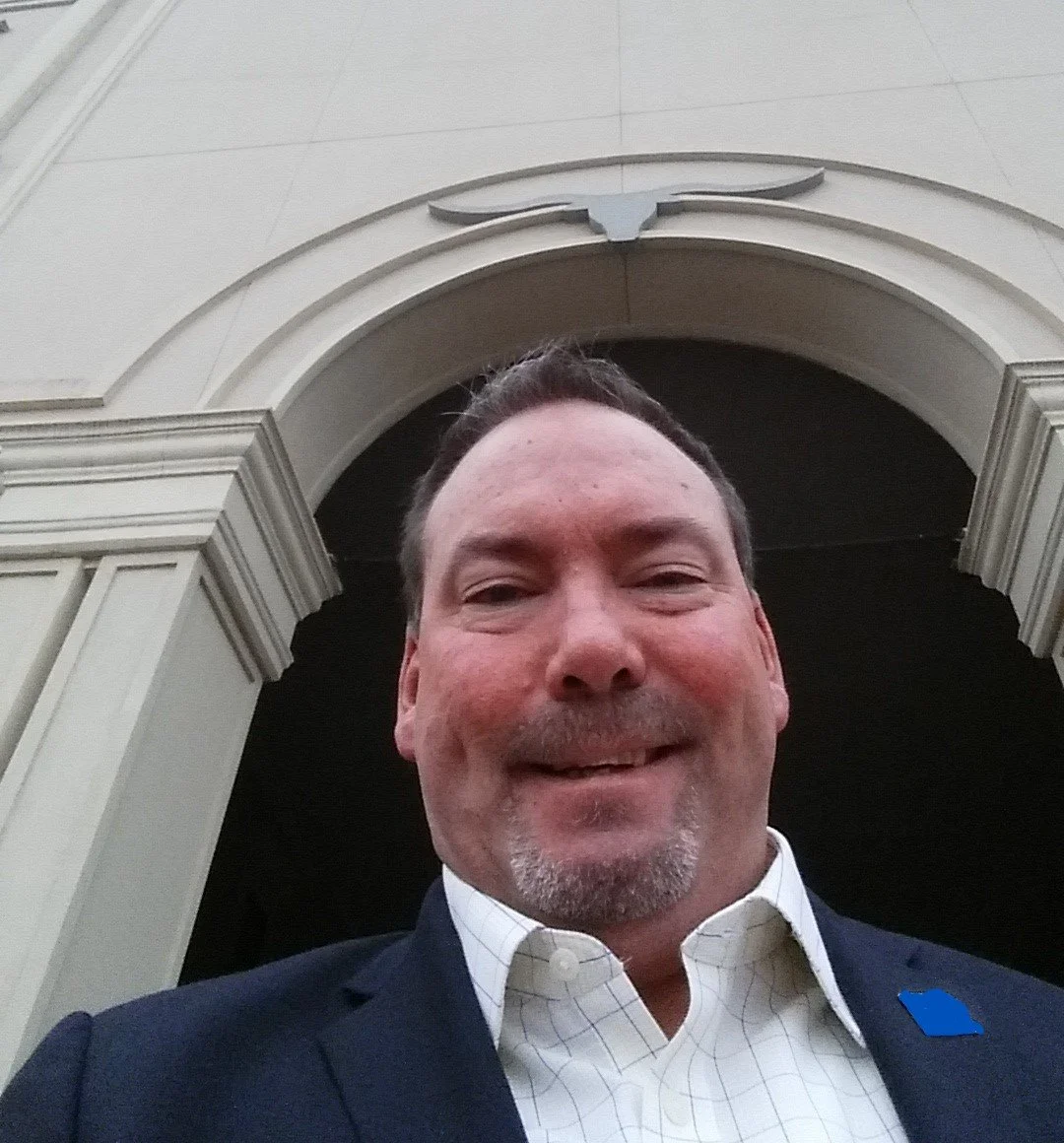
Checking in! Full of confidence & drive for the long haul!
My first day, I thought I’d win over the detractors, assemble the new Avengers, and rid the world of poverty and pestilence.
Still operating on an antiquated business model, the organization had posted declining revenue for more than a decade while mission creep had bloated expenses over the same timeframe. After a finance review with my new CFO, we both agreed we were about 18 months from turning off the lights and locking the doors. On top of all that, there was some deeply rooted toxicity weighing down the organizational culture.
It was going to take scorched earth and broken glass to break out of that death spiral.
We had to right-size the workforce, which meant a reduction in force of more than 30% - painful work that rewrites people’s lives, not just a budget. We also had to confront a philanthropic landscape that had fundamentally shifted away from our historic model. Technology had made it easier for individuals and companies to give directly to nonprofits aligned with their values. The days when a traditional federated giving campaign could rely on institutional momentum were fading fast.
Multiple lawsuits involving some senior leaders made the navigation even more hazardous. The details are sensitive and the circumstances around personnel decisions at that level are appropriately confidential, but I can say this: my executive team ultimately experienced complete turnover - 100%.
In earlier executive roles, I had been both fixer and healer in the same assignment. I could stabilize what was broken, then lead the organization into a stronger future. Most of my success had come through evolution - improving systems, strengthening culture, reshaping teams, and raising performance without burning the whole structure down.
The role I found myself in now wouldn’t allow that gradual approach.
And through it all, I came to understand a truth many executives resist - leadership has a lifespan.
The leader who must dismantle a broken system may not be the leader who will – or should - guide people to and through the new one.
Not because the first leader is wrong. Not because the second leader is better. But because the work is different.
Two different seasons.
An ancient leadership story captures this as well as any tale of modern business.
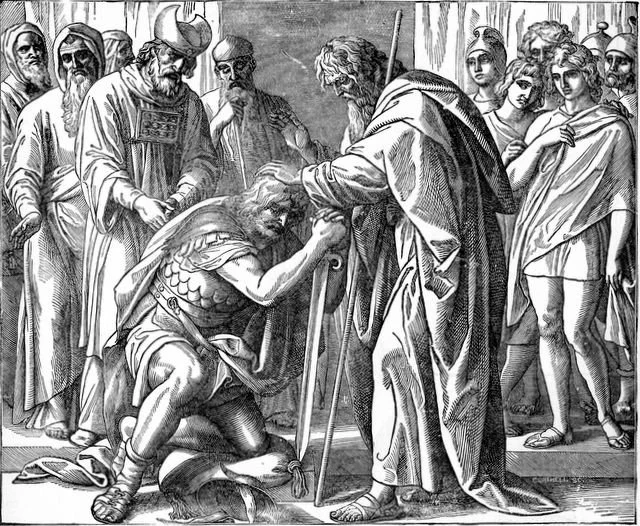
Moses mentored Joshua.
While Moses led the wandering Israelites out of the wilderness, it would be Joshua who led them into the Promised Land.
Moses led the Israelites through the wilderness - uncertainty, scarcity, conflict, constant change - but he was not the leader who ultimately ushered them into the Promised Land. That next chapter required a different kind of leadership for a different kind of work. Whether you read the story as faith, history, or metaphor, the lesson holds - the leader who guides people through hardship may not be the leader they need to ultimately prosper.
Finding myself in this situation disappointed me because I wanted the full arc. I wanted to bear the burden of change and the burden of recovery, along with the satisfaction that comes with both. Leaders want to see the fruit of their labor; we want to finish what we start.
But executive maturity includes the ability to see your role clearly against the backdrop of the organization’s history.
Eventually, I had a conversation with the board that went something like this:
I can fix this, but the fix won’t be pretty. I’ll absorb that.
When we do what must be done, we’ll need a different leader to guide the organization through the wake of the change.
It’s my duty to develop that leader as my successor.
I hired a COO who worked side-by-side with me through the hardest stretch. She didn’t just execute tasks, she carried the weight. She earned trust. She proved she could lead in the tension between urgency and compassion. And she earned her place as the executive who would guide the healing, the resurgence, and the long-term cultivation of a historic institution that still matters deeply to this community.
When I eventually stepped away, I didn’t feel like I was leaving unfinished work behind. I felt like I was completing an assignment. A difficult season. A necessary season. A season with a finite lifespan.

Checking out! 4 years older, grayer, and wiser.
When I left, I was happy at the launch of the new exec, and satisfied that I had well and faithfully run my leg of the relay.
I was also ready for a new life - a life at sea.
… but that’s a story for another post.
As my season ended, the organization wasn’t perfect, but it was pointed in the right direction. Revenue had bounced. A new executive team was in place. A healthier culture built on mutual respect, clarity, and high performance had taken root. We had reinvented our role in what I came to call public philanthropy - not as a relic of a bygone era, but as a modern community catalyst in a radically changed marketplace of generosity.
This organization didn’t bounce back because one leader stayed forever. It bounced back because the organization got what it needed, when it needed it - a leader for disruption, then a leader for stability. A leader to plow and plant, then a leader to nurture and harvest.
The experience taught me the real measure of executive legacy - in any sector - isn’t tenure; it’s how the organization ultimately thrives after the leader’s season ends.



About the author:
TD Smyers is an Executive Coach and Leadership Consultant. A Bold Leader is his project.
TD holds a Bachelor of Science degree from the US Naval Academy and a Master’s in National Resource Strategy from the National Defense University’s Eisenhower School. He’s led diverse, high performing teams as Commanding Officer of a US Navy aviation squadron and a joint military air base, as well as CEO of major market offices for two global nonprofit organizations and BoardBuild - a nonprofit SaaS company. The Fort Worth Business Press named TD the city’s “Top Nonprofit CEO” in 2019. TD established A Bold Leader after returning from a career pause exploring the Atlantic and Caribbean for three years with his wife, Barbara, on their sailing catamaran, La Vie Dansante.